
- February 15, 2026
- by Parbeshkumar Maurya
Email Marketing for Loyalty & LTV: Turn One-Time Buyers into Lifelong Fans
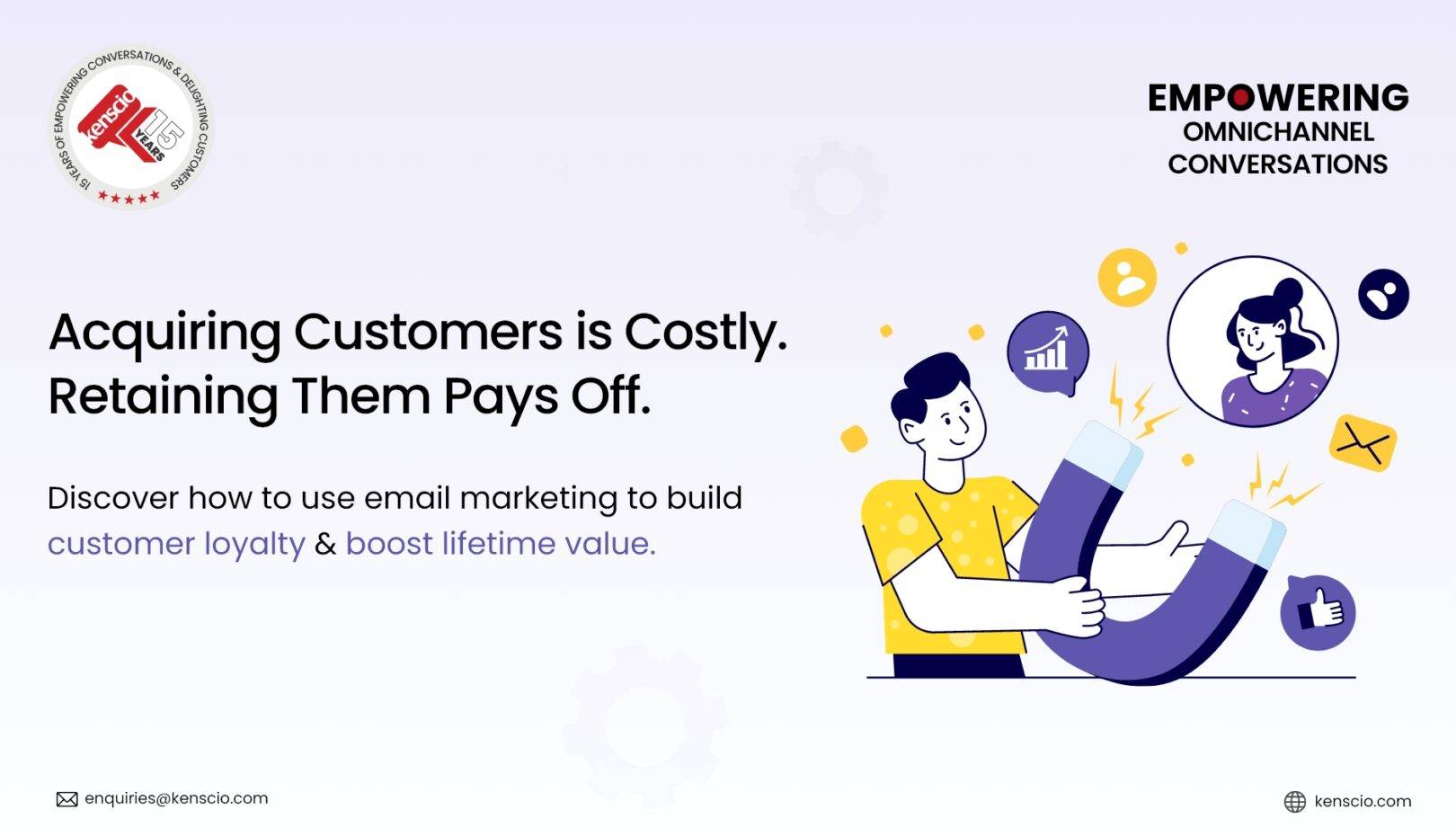
In today’s competitive digital landscape, acquiring a new customer is significantly more expensive than retaining an existing one. While many brands chase new customers, the real growth lies in nurturing the ones they already have — turning buyers into loyal brand advocates.
Email marketing, when used strategically, is one of the most cost‑effective ways to build customer loyalty and boost lifetime value (LTV). Unlike social platforms or ads, email lets you speak directly to your audience in their inbox at the right moment, with the right message.
But how exactly does email help nurture loyalty and increase LTV? Let’s break it down.
That’s where email marketing becomes your most powerful retention tool.
Why Loyalty & Lifetime Value Matter More Than Ever
businesses still focus all their energy on acquisition.
Meanwhile, repeat customers not only spend 67% more per order, but they’re also more likely to try new products and refer others. Just a 5% increase in retention can drive up to 95% more profit.
With acquisition costs climbing and third-party data fading, building loyalty and increasing LTV through first-party owned channels like email is no longer optional, it’s essential.
LTV Formula
- LTV (Revenue): 100×4×5=2000
- If your Gross Margin is 60%, your Profit-based LTV is 2000×60%=1200
How Email Marketing Builds Loyalty & LTV
Email helps brands move from transactional communication to building real customer relationships. Each interaction can be tailored to nurture trust, reinforce value, and encourage ongoing engagement. Here’s how:
1. Onboarding That Builds Trust
A well-crafted welcome series isn’t just a thank you note, it’s your chance to introduce your brand’s voice and value.
It reassures the customer they’ve made the right choice and guides them through the first steps post-purchase or sign-up. This early engagement builds emotional connection.
A well‑designed welcome/warm onboarding flow:
- Reinforces brand values
- Introduces key offerings
- Encourages first repeat action
This early engagement lays the groundwork for loyalty.
2. Segmentation & Personalization That Feels Human
- New vs repeat
- High spenders vs occasional buyers
- Product category interests
- Engagement levels
3. Automated Flows That Guide the Journey
Automation lets you respond instantly to customer behavior without manual effort.
From cart abandonment to re-engagement, these flows ensure your brand is always present, helpful, and responsive at every stage of the buyer journey.
4. Loyalty Programs
Loyalty isn’t just about rewards it’s about consistent value.
Email is the best way to keep your loyal customers informed, appreciated, and engaged with content that reinforces why they chose your brand in the first place.
- Points balance reminders
- Exclusive rewards
- Early access to sales
Customers who feel valued are more likely to stay engaged and reciprocate with repeat purchases.
5. Valuable Content, Not Just Promotions
Strong loyalty email strategies include value‑driven content:
- Product tips & tutorials
- Customer stories or testimonials
- User‑generated content
- Product launches with exclusive insights
This positions your brand as a trusted partner not just a seller.
6. Cross-Sell Based on Previous Order
Your customer just bought something now is the perfect time to recommend complementary products.
A well-timed cross-sell email based on purchase history can increase order value and demonstrate that you understand their needs. For example, if they bought running shoes, follow up with socks, fitness gear, or accessories.
7. Check-In With Discount
A timely, festive-season check-in after their purchase, reconnect with a friendly check-in and an exclusive offer.
This touchpoint reminds them of your brand, shows appreciation, and gives them a reason to return. Offering a limited-time discount can reignite interest and drive a second or third purchase increasing lifetime value organically.
Mini Case Study: Country Bean’s Retention & LTV Growth
- 🛍️ 40% increase in purchase orders in 6 months
- 📲 App conversion rates jumped from 35% to 75%
- 🔁 Higher repeat purchase frequency and LTV
How Kenmail + Growlytics Make It Easy
KenMail empowers marketers with intelligent automation, personalized workflows, A/B testing, and deep deliverability tools all designed to scale loyalty campaigns effortlessly.
Growlytics complements it with unified customer profiles, predictive analytics, and lifetime value tracking helping you target and retain your highest-value customers with precision.
Together, they form a powerful ecosystem that transforms email into a loyalty and revenue engine.
Conclusion: Turn One-Time Buyers into Lifelong Fans
Email marketing is more than a communication channel, it’s your most powerful lever for building loyalty and boosting lifetime value.
By delivering timely, relevant, and valuable emails, you’re not just increasing open rates, you’re nurturing long-term relationships that drive sustainable growth.
Ready to turn customers into loyal advocates?
Let’s talk about how Kenmail & Growlytics can help you grow smarter.
