
- February 28, 2026
- by Parbeshkumar Maurya
Reduce Unsubscribe Rate: An Expert’s Guide for Email Marketers
Email marketing remains one of the most powerful channels for engagement, retention, and revenue but only if people want to hear from you. In this guide, I’m going to help you understand:
- What unsubscribes really mean
- Why they happen (often silently)
- The real business impact of churn
- Actionable tactics you can use today
- Quick Retention Checklist – What to Do Before You Send
What Unsubscribes Really Mean - From the Trenches
- The content didn’t resonate
- The timing wasn’t right
- The list expectations weren’t met
How to Calculate Unsubscribe Rate
Most email service providers (ESPs) track and provide your unsubscribe rate in each email campaign report.
To calculate your unsubscribe rate, use the standard formula is:
What Is the Average Email Unsubscribe Rate?
Industry benchmarks for email unsubscribe rates typically fall between 0.1% and 0.5%. Maintaining a rate below 0.2% is generally considered excellent, while anything above 0.5% is a common signal that your strategy may need adjustment.
Why Unsubscribes Happen - The Real Drivers
Over years of working with brands of all sizes, I’ve seen the same patterns crop up again and again. Let’s break them down:
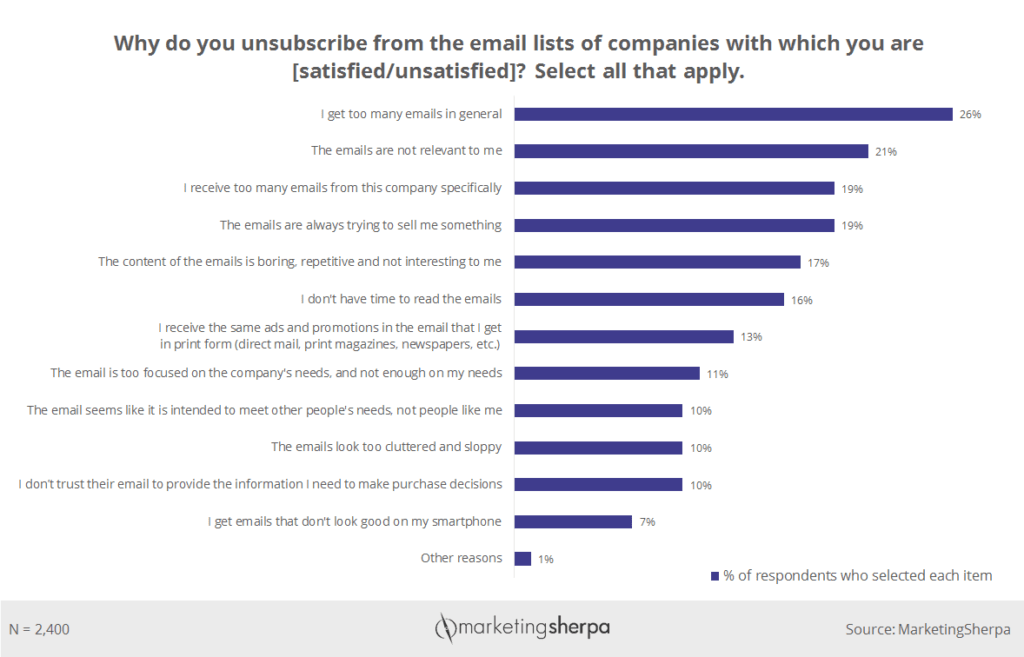
1. Content That Doesn’t Resonate
When emails feel generic, subscribers switch off. If 1,000 people on your list are all different interests, behaviors, lifecycle stage one-size-fits-all content simply won’t work.
Real example: Sending the same discount email to someone who just bought vs. someone who hasn’t purchased in six months? That’s a disconnect and people notice.
2. Too Many Emails, Too Fast
You might love your brand. But your subscribers have lives, workloads, and inbox anxiety. If you didn’t set expectations on frequency at signup, you might overwhelm them before they ever got used to your cadence.
Pro tip: A sudden spike in unsubscribes after a campaign blitz? That’s your first tell‑tale sign.
3. A Promise That Didn’t Match Reality
We marketers often focus on what we send but forget about what we promise. If you told subscribers they’d get weekly tips and then hit them daily with promotions, frustration builds fast.
Clarity upfront saves churn later.
4. Poor Mobile or Visual Experience
Here’s a hard truth: if your email doesn’t render well on mobile, users won’t read it, they’ll delete it, and over time, they’ll leave your list.
With 60–70% of opens happening on mobile, design isn’t optional.
5. Unchecked Spam Signals
Spam complaints, bounces, or erratic sending causes inbox providers to downgrade you. And when inbox placement drops, engagement drops and with it, patience from subscribers.
6. Lack of Value
We’re all busy. If every email feels like a pitch with no real insight, education, or utility, subscribers disengage and then they unsubscribe.
People stay subscribed because they gain something.
The Business Impact of High Unsubscribe Rates
Let’s talk consequences, not just theory:
1. Your Reach Shrinks
Every unsubscribe is a lost opportunity someone who isn’t seeing your future offers, announcements, or content.
2. Deliverability Takes a Hit
High churn sends signals to ESPs (Email Service Providers) and inbox providers that your content isn’t loved. That can tank your deliverability and suddenly even your active subscribers stop seeing your inbox.
3. Marketing Spend Goes Down the Drain
Every subscriber on your list cost you something time, money, acquisition cost. Losing engaged subscribers means wasted investment.
4. Long‑Term Loyalty Declines
Email isn’t just transactions, it’s relationships. When unsubscribes spike, loyalty drops, and retention metrics flatten.
Actionable Strategies to Reduce Unsubscribes, Expert Tips
Here’s where the rubber hits the road. These aren’t vague theories, these are tactics I’ve used with real brands to improve engagement and reduce churn:
1. Set Clear Expectations at Signup
Too many of us assume subscribers know what we’ll send. They don’t.
🔹 Tell them what you’ll send
🔹 Tell them how often you’ll send it
🔹 Share a preview or sample
💡 Example: “We email once a week with expert insights, case studies, and inbox performance tips, no spam.”
📈 Outcome: When subscribers know what to expect, they’re far less likely to leave.
- Daily updates
- Weekly digest
- Monthly highlights
- Pause for 30 days
3. Segment, Then Segment Again
Sending the same email to everyone is lazy and expensive.
Use behavior, purchase data, and engagement history to make messages feel personal.
💡 Example: Segment by recent purchase behavior and tailor content, you’ll see better opens and fewer opt‑outs.
Using someone’s name isn’t personalization, it’s table stakes.
When you tailor:
- Content based on past behavior
- Offers based on lifecycle stage
- Messages triggered by actions
…subscribers feel understood and that increases loyalty.
5. Deliver Value - Every Time
If every email is a promo, subscribers tune out. Mix in:
- Insights
- Educational content
- Behind‑the‑scenes stories
- Helpful how‑tos
💡 Example: A lifestyle brand shared “how to use your products in new ways” and saw fewer unsubscribes and higher repeat purchases.
6. Optimize for Mobile & Experience
Responsive, readable emails aren’t optional anymore.
Make sure:
- Fonts are legible
- Buttons are thumb‑friendly
- Images don’t slow load time
💡 Result: Better UX = lower churn.
7. Re‑Engagement Campaigns Before They Quit
Many brands wait until someone unsubscribes before acting. Pro tip: act before they opt out.
📍 Target users who haven’t engaged in 30–90 days
📍 Offer them a choice: stay, reduce frequency, or pause
📍 Include a reason to stick around
💡 Example: “We noticed you’ve been quiet, here’s ₹1,000 off to stay with us”
This reactivated a large segment for a travel brand I consulted.
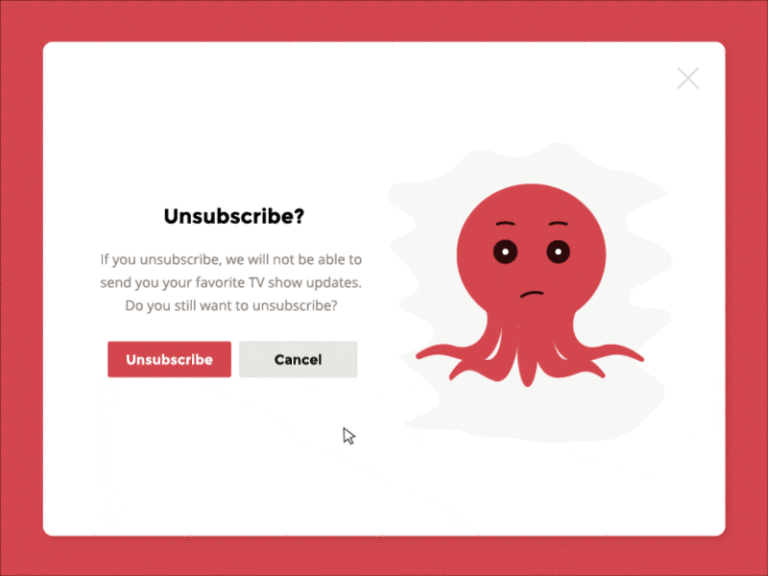
8. Offer a Preference Center
Sometimes subscribers just want a break not a breakup.
Include preference options so they can:
✔ Adjust frequency
✔ Choose topics they care about
✔ Pause emails temporarily
💡 Offering a “Pause for 30 days” option led one e‑commerce brand to retain half of users who otherwise would have left.
Quick Retention Checklist - What to Do Before You Send
Before each send, ask yourself:
- Have I set the right expectation for this audience?
- Is the content timely and relevant?
- Is this mobile‑friendly?
- Are my segments properly targeted?
- Am I offering real value, not just a pitch?
- Have I given subscribers control over frequency?
If the answer is “no” to any of these, fix it before pressing send.
Conclusion: Unsubscribes Aren’t Failures, They’re Feedback
I’ll leave you with this: unsubscribes hurt, but they’re insightful.
They tell you:
- What’s not resonating
- Where expectations aren’t aligned
- Where experience is failing
Treat every unsubscribe not as a loss, but as a lesson.
Email marketing remains a powerhouse for growth but only when your audience wants to hear from you. Focus on relevance, empathy, personalization, and choice and you’ll keep the subscribers you worked so hard to win.
You’re building relationships, not lists and the people who stay are the ones who matter.
How Kenscio Can Help You Go Further
